Commercial Insulation Contractors in Greeley and Weld County
A warehouse too cold to work in by nine and too hot by two is costing you more than a utility bill. Commercial insulation contractors in Greeley handle the envelope work that fixes it: roof decks, walls, mechanical rooms, and openings. This page is for Weld County building owners and managers who need a scope they can budget.
What does commercial insulation work cover?
Commercial scopes tend to be assembled from four pieces, and most buildings need two or three of them rather than all four.
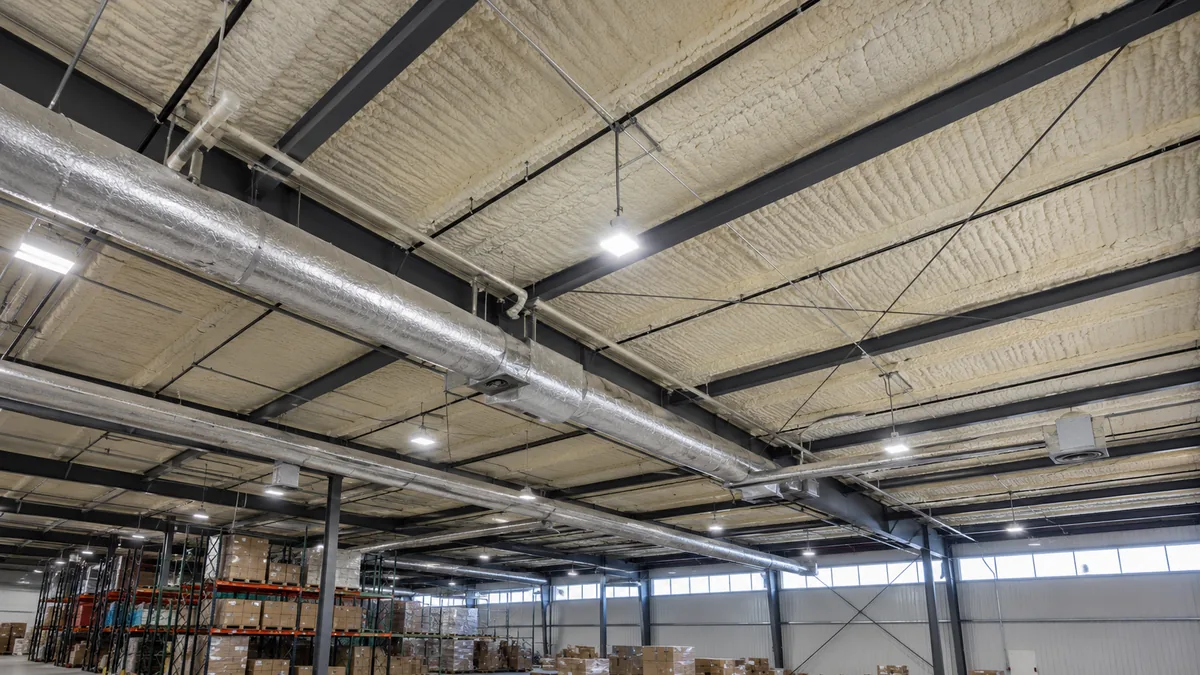
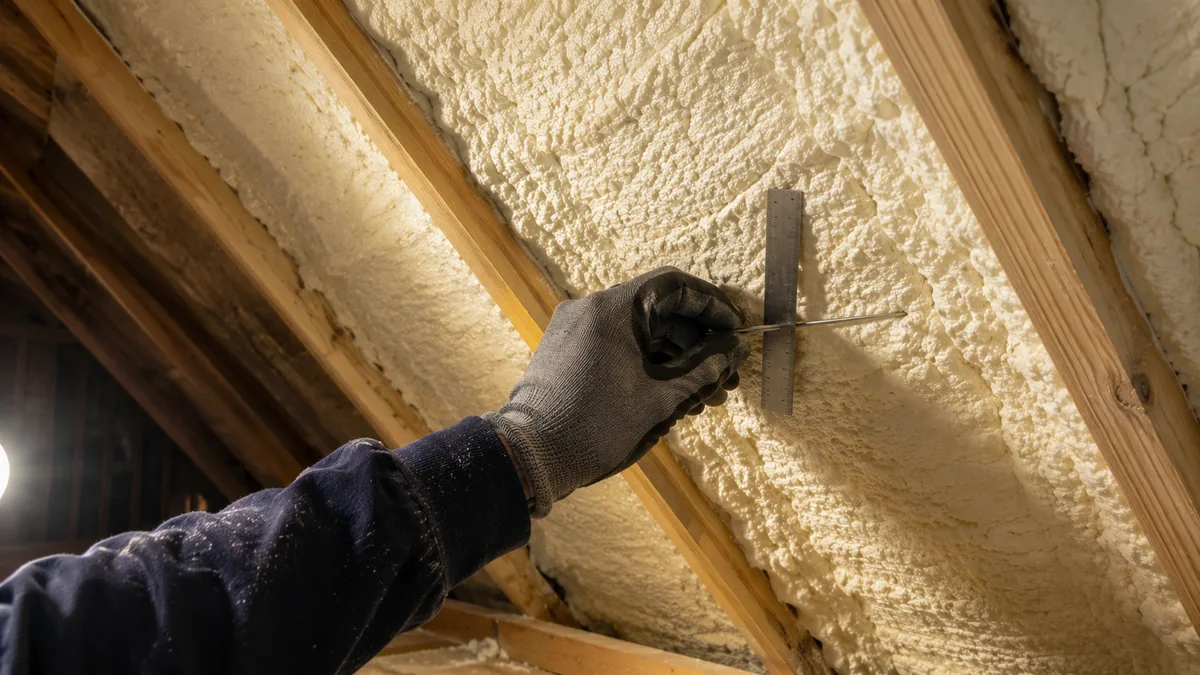
The roof deck is where most of the money and most of the problem live. On a steel deck, closed cell spray foam applied underneath handles R-value, air sealing, and condensation control in one pass, which matters when inventory sits below it. If the material itself is new to you, start with what closed cell foam is.
Walls get treated according to construction type. Tilt-up concrete and block take interior foam or a furred assembly. Metal panel walls take foam directly. Framed walls in an office area take dense pack or batts.
Mechanical insulation covers pipe, duct, and equipment. It is a different material set and often a different crew day, but it belongs in the same conversation because chilled lines that sweat onto a warehouse floor create a safety issue, not just an efficiency one.
Openings are the cheapest and most overlooked piece. Dock seals, overhead door weatherstripping, and man door thresholds move enormous volumes of air in a building that opens and closes all day, and the logic is the same one behind air sealing a house.
The order those pieces get done in should follow the money, not the material. On most Weld County buildings the openings and the roof deck deliver the first and second largest returns, and wall work comes third unless the walls are bare steel.
A scope that starts with the walls because they are the easiest surface to reach is a scope built around the contractor's convenience rather than your operating cost.
Have a building that never holds temperature? Start with a walkthrough. Call (970) 414-2650
What tells you a commercial building needs insulation work?
These are the signals that come up most often in Weld County light industrial and warehouse space.
- Condensation dripping from a steel roof deck onto racking, product, or equipment.
- Unit heaters that run continuously through the winter and never get ahead of the space.
- A 30 degree temperature difference between the office end and the far bay.
- Interior temperatures above 100 degrees on July afternoons, slowing everyone down.
- Frost patterns or rust streaks visible on the inside of wall panels.
- Sweating chilled water lines dripping onto a mechanical room floor.
- Fiberglass blanket sagging off purlins with its facing torn.
- Utility costs that jumped after a use change, like adding a heated production area.
Condensation is the one that quietly costs the most. Water forming on cold steel damages the structure, the product underneath, and eventually the roof itself, and it happens on exactly the clear cold mornings when nobody is looking up.
Why do Greeley commercial buildings struggle?
The building stock explains most of it. A great deal of Weld County commercial space is pre-engineered steel, built for shelter and square footage rather than thermal performance, and often built when energy code for unconditioned space was minimal.
Then the climate goes to work. Weld County runs subzero cold snaps, hot dry summers, and a daily temperature swing that can cover 40 degrees in either season, which is the signature of a zone 5B climate.
Steel tracks that swing within minutes because it has almost no thermal mass, and on a clear night a roof panel radiates to the sky and drops below the outdoor air temperature.
Chinook winds finish it. Warm downslope air crossing the plains at highway speed pressurizes a large building through every dock door gap and panel seam, and in a structure with 25,000 square feet of surface that adds up to an enormous air exchange rate. Operations along Highway 85 and the Highway 34 corridor catch it directly.
Use change is the last factor. Buildings that started as cold storage or equipment sheds get converted into production or shop space, and nothing about the envelope was ever designed to hold a temperature. That conversion is the most common reason a commercial building in Greeley needs insulation work at all.
What do commercial insulation contractors in Greeley charge?
Commercial work is quoted per project, and any contractor giving you a firm number without walking the building is guessing. The reference ranges below are typical for Northern Colorado and are useful for early budgeting, not for a contract.
| Scope | Typical range | Notes |
|---|---|---|
| Metal roof deck, closed cell foam | $1.00 to $3.00 per sq ft | One to two inches, stops condensation drip |
| Tilt-up or block wall, interior foam | $2.00 to $4.50 per sq ft | Depth sets the number |
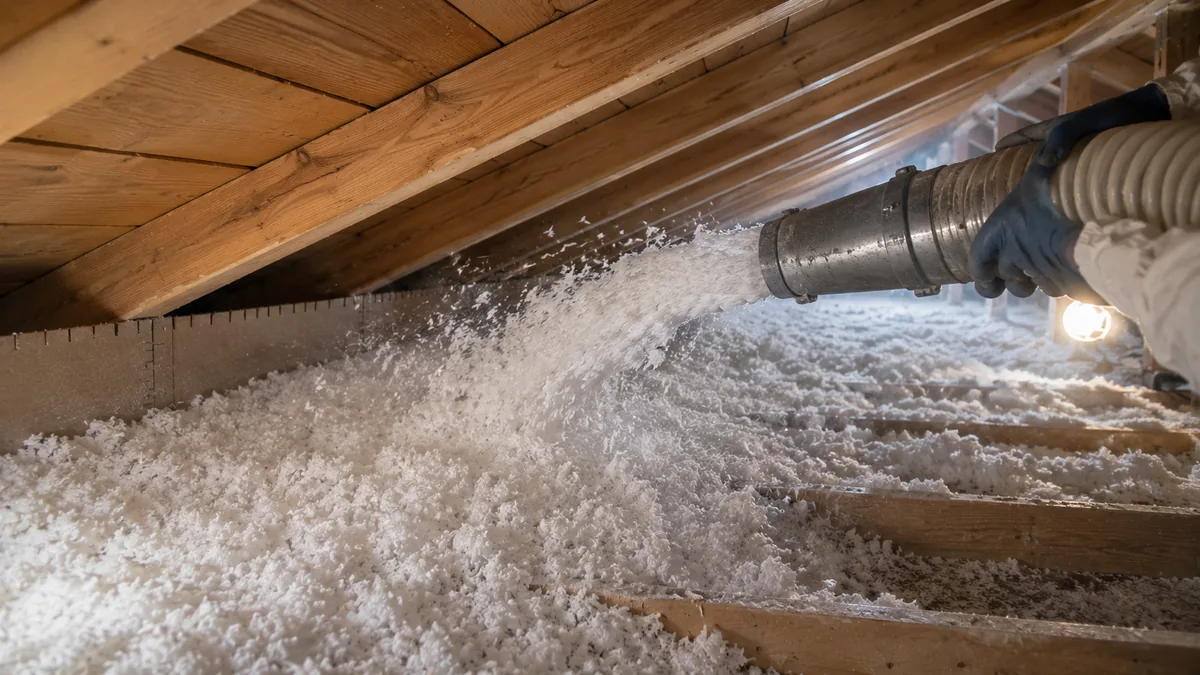
| Suspended ceiling plenum, blown-in | $1.00 to $2.80 per sq ft | Where there is a deck above to insulate |
| Mechanical room and pipe insulation | Quoted per linear foot | Depends on pipe diameter and jacket type |
| Overhead door and dock seal upgrades | $300 to $1,200 per opening | Usually the fastest payback item |
| Office build-out inside a warehouse | $1,500 to $6,000 | Insulate the conditioned box, not the shell |
The same board foot math drives every one of those rows, and the Greeley foam cost guide shows the arithmetic in full.
Surface area, not floor area, sets the material cost. A 60 by 120 building has 7,200 square feet of floor and roughly 12,000 square feet of roof and wall to cover. The foam cost calculator works in board feet if you want to model a scenario before the walkthrough.
What drives a commercial number
- Height and access. A 28 foot clear height means lifts, and lift time is a real line on the estimate.
- Deck and wall construction. Steel, tilt-up, block, and framed assemblies each take a different approach.
- Occupancy during work. Phasing around production, nights, or weekends changes labor rates.
- Fire code requirements. A thermal barrier or intumescent coating over foam is a material cost, not an option.
- What has to move. Racking, inventory, and equipment relocation is often the biggest schedule driver.
- Removal. Sagging blanket insulation comes down before foam goes up, at roughly $1.00 to $2.00 per square foot. See how tear-outs are priced.
Need a budget number for next fiscal year? A walkthrough is the first step. Call (970) 414-2650
Which Weld County buildings need this most?
The commercial calls in this county cluster into a handful of building types, and each one has a characteristic problem.
Ag and equipment storage along Highway 85 and the section roads is mostly pre-engineered steel with either sagging blanket insulation or nothing at all. The problem is condensation on the deck, and the fix is closed cell foam on the underside of the panels. Our pole barn and steel building work covers those in detail.
Light industrial and fabrication shops around Greeley usually have a conditioned front office and a shop floor nobody can hold a temperature in. The scope is typically a roof deck plus the wall separating the two zones, so you stop paying to heat the whole shell.
Warehouse and distribution space struggles with dock openings and stratified air more than with wall R-value. Dock seals, door weatherstripping, and destratification often deliver more per dollar than an envelope upgrade would.
Converted buildings are the fastest growing category. A cold storage building turned into a production space, or an equipment shed turned into a shop, was never designed to hold a temperature, and the envelope work has to catch up to the new use.
What does mechanical and pipe insulation cover?
Envelope work gets the attention, but a lot of commercial energy waste and most water damage complaints come from uninsulated mechanical systems.
Domestic hot water lines lose heat over every foot of an unheated run, so the boiler works harder and the far fixtures take longer. Insulating the run is inexpensive and it is one of the easier measures to justify.
Chilled water and refrigeration lines are the condensation risk. Cold pipe in warm air sweats, and that water drips onto floors, electrical equipment, and product. Closed cell pipe insulation with sealed joints removes the cold surface entirely, which is the same principle as foaming a steel roof deck.
Ductwork outside the conditioned space loses capacity before the air ever reaches the room. Sealing and wrapping supply and return runs in an unheated area often recovers more comfort than adding heating capacity would.
Pipe work is quoted per linear foot by diameter and jacket type, since a mechanical room where lines get bumped needs a tougher jacket than a ceiling plenum does.
Scope a commercial insulation project in Weld County
Tell us the room, the square footage, and what it is doing wrong. You get a straight price range on the phone and a firm quote after we look at it.
Call (970) 414-2650Greeley, Evans, Windsor, Eaton, Johnstown, Milliken, Severance, and Weld County.
What incentives exist for commercial buildings?
Commercial incentives work differently from the residential programs homeowners use, and the timing rules catch people out.
Utility business efficiency programs
Xcel Energy serves most of Greeley and the surrounding Weld County towns, and its business efficiency programs are separate from the residential rebates.
Envelope and insulation measures show up there, and many business rebates require pre-approval before work starts, so the application belongs in the estimating phase rather than the invoicing phase. Program terms change, so check Xcel's current business rebate materials on the Xcel business programs page and confirm the process before scheduling.
State programs and where the federal credit stops
The Colorado Energy Office maintains current state-level programs and financing options for commercial buildings, and it is the right starting point for anything beyond a utility rebate. See the Colorado Energy Office for what is active.
Worth stating plainly: the federal 25C credit that covers 30% of insulation materials up to $1,200 per year is a residential credit for an existing primary home, so it does not apply to commercial property. Deductions on the business side exist and belong to your accountant, not an insulation contractor.
How does a commercial project run?
Commercial work is a scheduling problem as much as an installation problem, and it runs in a predictable sequence.
- Walkthrough. Deck and wall construction identified, heights measured, condensation and air leakage points documented, existing material assessed.
- Scope and phasing plan. A written scope by area, with a schedule that names which bays are down when and what has to be moved.
- Rebate paperwork. Pre-approval submitted before anything starts, where the program requires it.
- Clear and protect. Racking and inventory moved or wrapped, floors protected, work zones separated from operating areas.
- Removal. Old sagging blanket and damaged material taken down and hauled.
- Install. Foam sprayed in lifts, blown-in installed to marked depth, mechanical insulation fitted and jacketed.
- Barriers and coatings. Thermal or ignition barrier applied where occupancy and code require it.
- Reoccupancy and closeout. Cure window observed, area released back to operations, documentation issued with square footage and installed R-values for rebate submission.
Late spring and early fall are the easiest windows in Weld County, since substrate temperatures cooperate and you are typically not at seasonal peak. Winter work is possible but the building often needs temporary heat first, which adds cost.
Planning a build-out or a use change? Insulate before the racking goes in. Call (970) 414-2650
Commercial insulation questions from Weld County
How much does commercial insulation cost in Greeley?
Commercial work is quoted per project, because square footage, deck type, height, and access vary far more than they do on houses.
As reference points, closed cell foam on a metal roof deck runs about $1.00 to $3.00 per square foot at one to two inches, and interior wall foam about $2.00 to $4.50 per square foot at typical depths. A walkthrough and a real scope is the only way to get a number worth budgeting against.
What is different about commercial insulation versus residential?
Scale, code, and scheduling. Commercial buildings have larger uninterrupted surfaces, exposed structure, and fire and smoke requirements that dictate whether foam needs a thermal barrier or an intumescent coating. Work often has to happen around operations, so night and weekend phasing is common. The physics is identical, but the planning is a different job.
Do you insulate commercial pipes and mechanical rooms?
Yes. Commercial pipe insulation covers domestic hot water, chilled water, and process lines, and it does two things: it holds temperature and it stops condensation from dripping onto equipment and floors below. Jacket choice matters as much as thickness in a mechanical room where lines get bumped. It is quoted per linear foot by pipe diameter.
Can insulation work happen without shutting the building down?
Usually yes, with phasing. Spray foam has a reoccupancy window, commonly around 24 hours for a large application, so foam areas get sequenced into nights, weekends, or vacant bays while the rest of the building runs. Blown-in and mechanical insulation are less disruptive and can often proceed alongside normal operations with containment in place.
What R-value should a Greeley warehouse have?
For a conditioned warehouse in DOE climate zone 5B, roof assemblies typically target R-30 or better and walls around R-13 to R-19 continuous, depending on construction type and what the code in effect at permit requires. An unconditioned building being brought up to a workable temperature often starts with two inches of closed cell on the roof deck just to stop condensation.
Do commercial buildings qualify for insulation rebates?
They can, through utility business efficiency programs rather than the residential ones homeowners use. Business rebates frequently require pre-approval before work begins, which is the single most common reason a project misses out. Ask about it during the estimate, not after. The federal 25C credit does not apply to commercial property, so that is an accountant question instead.
Other insulation services in Greeley
Same crews handle the residential and light commercial side. Here is the rest of the list with typical ranges attached.
-
Spray Foam Insulation
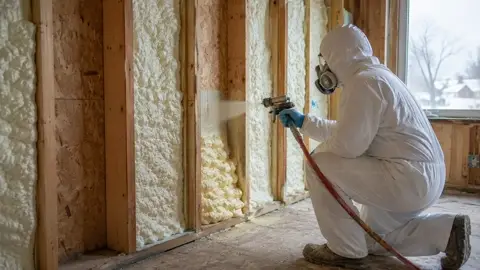
Open and closed cell spray foam for attics, walls, and rim joists across Weld County.
Typical: $0.45-$1.50 per board foot installed
-
Closed Cell Spray Foam
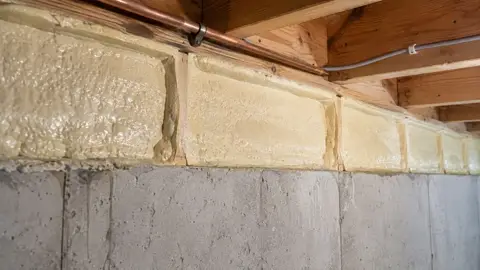
R-6.5 to R-7 per inch with a built-in vapor barrier, for crawl spaces, rim joists, and metal buildings.
Typical: $1.00-$1.50 per board foot installed
-
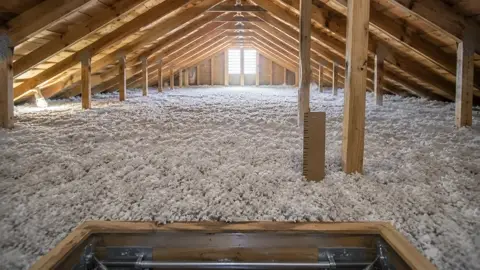
Attic Insulation
Bring older Greeley attics from R-19 up to the R-49 to R-60 Colorado actually needs.
Typical: $1,500-$4,000 typical whole-attic project
-
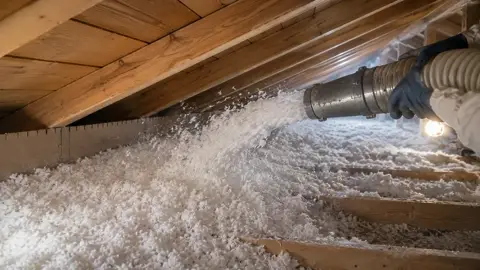
Blown-In Insulation
Cellulose and fiberglass blown-in for attics and walls, the workhorse upgrade for pre-1980 homes.
Typical: $1.00-$2.80 per sq ft installed
-
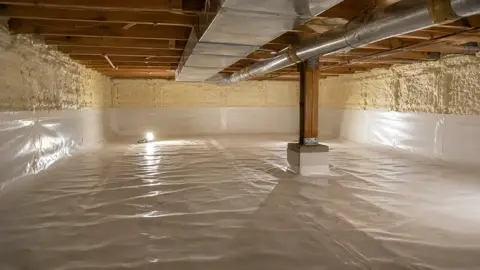
Crawl Space Insulation
Sealed, insulated crawl spaces that stop cold floors and frozen pipes.
Typical: $1,500-$6,000 typical project
-
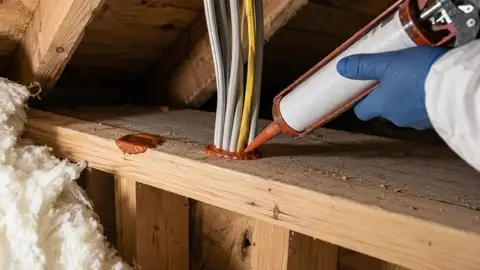
Attic Air Sealing
Close the gaps chinook winds find, the step that makes new insulation actually work.
Typical: $350-$1,500 typical project
-
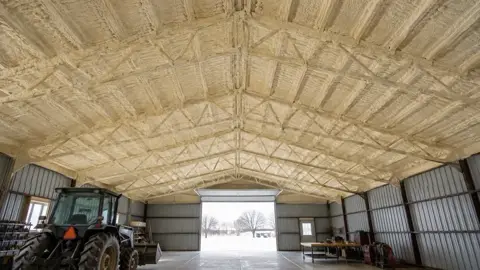
Metal Building Insulation
Spray foam for pole barns, shops, and ag buildings, ending condensation drip for good.
Typical: $1.00-$3.00 per sq ft for closed cell
-
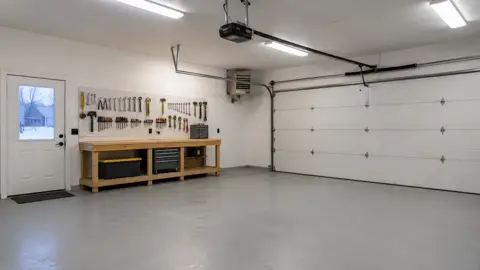
Garage Insulation
Make an attached or detached garage usable in January, and stop it from chilling the rooms above.
Typical: $800-$3,500 typical project
-
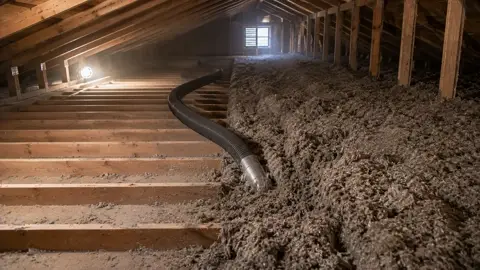
Insulation Removal
Safe removal of old, damaged, or pest-contaminated insulation before an upgrade.
Typical: $1.00-$2.00 per sq ft removed
If your building is a steel shop or pole barn rather than a warehouse, the metal building page covers that specifically, and the Greeley insulation overview ties it all together.
Ready to scope it? Building size, height, and construction type is enough to start. Call (970) 414-2650
Commercial Insulation Near Greeley
Greeley is the base, but the service area covers the whole county. Pick the town closest to you for what the job usually looks like there.
- Commercial Insulation in Evans Highway 85 corridor
- Windsor insulation contractors newer high-end builds
- commercial insulation for Eaton homes and shops Highway 85 farm town
- our Johnstown, CO service page I-25 corridor growth
- commercial insulation near Milliken ag-and-commuter town
- what we handle in Severance one of Colorado's fastest-growing small towns
Calls also come in from Kersey, LaSalle, Ault, and Platteville, and the smaller places in between along Highway 85.
Talk commercial insulation with a Weld County crew
Tell us the room, the square footage, and what it is doing wrong. You get a straight price range on the phone and a firm quote after we look at it.
Call (970) 414-2650Greeley, Evans, Windsor, Eaton, Johnstown, Milliken, Severance, and Weld County.