Insulation Removal in Greeley, CO: When Old Material Has to Go
Here is the part most contractors will not lead with: on a dry, clean attic you probably do not need this at all. Insulation removal in Greeley, CO is worth paying for when the material is contaminated, soaked, burned, or flattened. This page helps Weld County homeowners tell which situation they are in before signing a tear-out quote.
What does insulation removal involve?
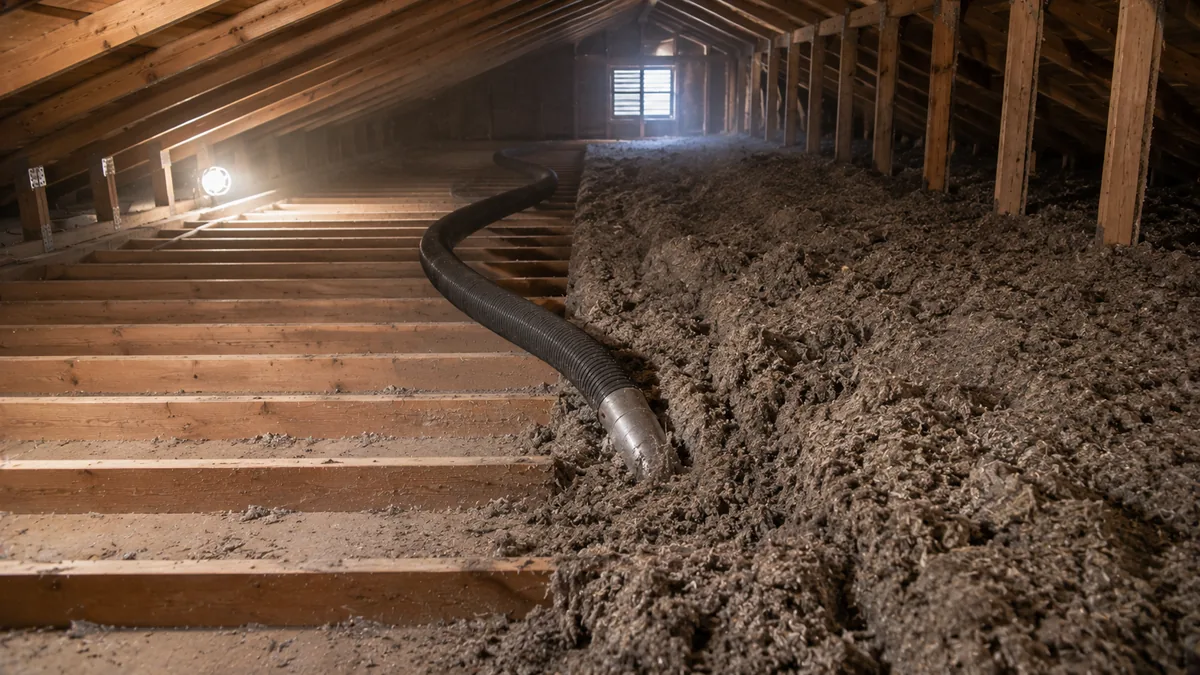
For loose fill, the tool is a truck-mounted vacuum. A wide hose runs from the truck at the curb, in through a window or door, and up into the attic, where an installer works the material into it while a second person manages the hose and the collection bag.
Batts come out by hand, rolled and bagged in the attic and carried out along a protected path. It is slower per square foot than vacuuming, though the dust exposure is lower.
Containment is what separates a good job from a disaster. The window opening gets sealed around the hose, the path from the hatch gets sheeted in plastic, the vacuum runs through a HEPA filter, and the crew wears respirators. Without those steps, you spend the next month finding fiberglass on your countertops.
After the material is out, the attic gets swept or vacuumed down to the joists and drywall, sanitized if there was rodent activity, and inspected. That bare-deck window is the only time you will ever see the ceiling plane clearly, so it is the moment to seal the air leaks before anything new goes down.
Not sure whether yours needs removing or just topping up? Call (970) 414-2650
When does insulation actually need to come out?
This is the whole question, so here it is as a table rather than a sales pitch.
| What is up there | Remove? | Why |
|---|---|---|
| Dry, clean, just thin | No, top it up | Saves $1,500 or more on a typical attic |
| Rodent droppings or nesting | Yes, remove | Contamination and odor stay otherwise |
| Wet from a roof leak | Yes, remove | Fix the roof first, then dry, then replace |
| Mold or mildew visible | Yes, remove | Find the moisture source before replacing |
| Smoke or fire damage | Yes, remove | Odor holds in the fibers indefinitely |
| Packed flat with no loft left | Usually yes | It has lost most of its R-value |
| Vermiculite, grey pebble texture | Do not disturb, test first | May contain asbestos, needs a licensed abatement path |
| Converting the attic to spray foam | Yes, remove | Foam has to bond to a clean deck |
The vermiculite row deserves a note. It looks like small grey-brown pebbles or accordion flakes, it shows up in some pre-1990 attics, and a share of what was installed in that era contains asbestos.
Do not rake it, vacuum it, or store boxes on it. Testing comes first, and if it is positive the work belongs to a licensed abatement contractor, not an insulation crew.
Everything else on the list is straightforward. If the material is dry, loose, and clean, the money is far better spent on air sealing and adding depth than on hauling it away.
Why do Greeley attics end up needing a tear-out?
Rodents lead the list, and there is a whole article on whether mice actually live in blown-in insulation.
Weld County gives them plenty of reason. Agricultural land surrounds this town, and when fields get harvested or the first hard freeze arrives, mice move toward buildings. An attic with a gap at the soffit or a chewed corner at the roof edge is a warm, undisturbed nesting site.
Water is second. Ice dams are the classic Greeley mechanism: warm air leaks into the attic, melts snow on the roof deck, the water refreezes at the cold overhang, and melt backs up under the shingles and into the insulation. Hail damage on the north end of Weld County contributes its share of roof leaks too.
Damp crawl space batts fail the same way, and they usually come out before the walls get sealed.
Age and compaction handle the rest. Cellulose settles roughly 20% from installed depth and old fiberglass loses loft, so material from the 1970s can be so flat it retains only a fraction of its original R-value. At that point it is a dust layer, not insulation.
Finally, project-driven removal. If you are converting a vented attic to a conditioned one with spray foam on the roof deck, the old material has to go regardless of its condition, because foam has to bond to a clean surface.
What does insulation removal in Greeley, CO cost?
Removal is priced at $1.00 to $2.00 per square foot of attic floor. It is a labor and disposal charge, so square footage, access, and contamination drive it more than material type does.
| Scope | Typical range | Notes |
|---|---|---|
| Blown-in removal, per sq ft | $1.00 to $2.00 | Vacuum truck, bagged and hauled |
| 1,000 sq ft attic clear-out | $1,000 to $2,000 | One crew, most of a day |
| 1,500 sq ft attic clear-out | $1,500 to $3,000 | The most common Greeley scope |
| Batt removal by hand, per sq ft | $1.00 to $1.75 | Slower than blown-in, bagged out |
| Rodent contaminated attic add-on | $300 to $900 | Droppings cleanup and sanitizing |
| Crawl space batt tear-out | $800 to $2,500 | Headroom drives this more than area |
| Removal plus new blown-in to R-60 | $3,500 to $6,000 | Full replacement on a typical attic |
Removal is almost always paired with new insulation on the same visit, which saves a second mobilization. The attic insulation cost guide shows what the combined project looks like, and blown-in replacement is what most Greeley attics get afterward.
What drives removal pricing
- Square footage. The base number, and the easiest to check against your floor plan.
- Access. A closet scuttle hole means every bag comes out through a bedroom. A garage pull-down is far cheaper.
- Hose run distance. A truck that cannot park close needs more hose and more time.
- Depth of material. Twenty inches takes roughly twice as long to pull as ten.
- Contamination. Rodent cleanup and sanitizing add labor, disposal cost, and protective equipment.
- Roof pitch and headroom. A low 4:12 roof means working on your stomach at the eaves the whole time.
- Obstructions. Stored belongings, ductwork, and knob-and-tube wiring all slow the work.
Send a photo of the attic and get a straight answer on whether it needs removing. Call (970) 414-2650
How do you tell rodent damage from ordinary wear?
This is the judgment call that decides whether you spend $2,000 or nothing, so it is worth knowing what to look for yourself before anyone quotes you.
Rodent activity looks like tunnels and troughs running through the material in consistent paths, small dark droppings concentrated along joists and near the eaves, shredded nesting balls, and chewed wire insulation. The smell is the giveaway: a sharp ammonia note that gets stronger on a hot day. That attic needs clearing and sanitizing.
Ordinary aging looks like uniform grey discoloration, a flat surface with no loft, and dust that has settled evenly. It smells like nothing in particular. That attic needs depth added, not a tear-out.
Water damage shows as dark matted patches directly under a specific spot on the roof deck, often with a stain on the sheathing above it. If the patch is dry now and the roof has been repaired, sometimes only that section comes out rather than the whole attic. Ask about partial removal, because it is a legitimate option that rarely gets offered.
What should you ask an insulation removal company?
Removal is a job where the quality difference is almost entirely in containment and honesty, so these are the questions worth asking before you hire.
- Will you tell me if the material can stay? A crew that will say no to the job is the one to trust.
- Is the vacuum HEPA filtered, and how do you seal the window opening around the hose?
- What protection goes down between the attic hatch and the door?
- Do you test for vermiculite before disturbing anything in a pre-1990 attic?
- Will removal and new insulation be separate lines on the invoice, with R-values listed?
- Is air sealing included while the ceiling plane is exposed, or is that extra?
That last one matters more than the price difference between two removal bids. The bare deck after a tear-out is the only chance you will get to seal the ceiling properly, and missing it wastes the most valuable part of the whole project.
Find out if your attic really needs a tear-out
Tell us the room, the square footage, and what it is doing wrong. You get a straight price range on the phone and a firm quote after we look at it.
Call (970) 414-2650Greeley, Evans, Windsor, Eaton, Johnstown, Milliken, Severance, and Weld County.
Do rebates or tax credits cover removal?
This is a place to set expectations honestly: removal itself generally does not qualify for anything, but the new insulation that follows it usually does.
Xcel Energy rebates
Greeley and the surrounding Weld County towns are largely Xcel Energy territory, and Xcel runs rebates on insulation and air sealing improvements for Colorado customers. The rebate attaches to the new insulation and its R-value improvement, not to the demolition.
Amounts and qualifying measures change year to year, so check Xcel's current rebate sheet on the Xcel residential rebates page. Ask for an invoice that lists removal and installation as separate lines, since a combined total makes the application harder.
The federal 25C tax credit
The Energy Efficient Home Improvement Credit pays back 30% of qualifying material costs, up to $1,200 per year on a home you already live in.
Because it is a materials credit, removal labor and disposal fees fall outside it while the replacement insulation material fits. That is another reason to insist on a split invoice. The mechanics are laid out in our 2026 credit walkthrough, with the official terms on the IRS page for the Energy Efficient Home Improvement Credit.
What does removal day look like?
Expect most of a day for an attic clear-out, and one to two days if new insulation goes in on the same visit.
- Inspection. Material identified, contamination assessed, vermiculite ruled out, and the hose route planned.
- Containment. Plastic sheeting from the attic access to the exit, floors covered, the window or door opening sealed around the hose.
- Setup. Vacuum truck positioned, hose run in, HEPA filtration confirmed, crew in respirators and suits.
- Vacuum out. Loose fill worked into the hose from the far corner back toward the hatch, bagged on the truck as it goes.
- Hand removal. Batts, debris, and anything the hose cannot take, bagged and carried out along the protected path.
- Clean and sanitize. Deck vacuumed down to the joists, and an antimicrobial treatment applied where rodents were present.
- Inspect and seal. Ceiling plane examined for leaks and damage, air sealing performed while everything is visible.
- Replace and document. New material blown or sprayed to target depth, debris hauled, invoice split for rebate and tax purposes.
You can stay in the house, though it is worth being elsewhere during the loudest few hours. Expect noise from the vacuum truck and some dust near the access point despite containment. Move anything stored in the attic out beforehand, because it will not survive the process.
Mice in the attic? Removal and sealing usually happen in the same visit. Call (970) 414-2650
Insulation removal questions from Greeley homeowners
How much does insulation removal cost in Greeley, CO?
Removal runs $1.00 to $2.00 per square foot in Greeley, which puts a 1,500 square foot attic clear-out at roughly $1,500 to $3,000. Rodent contamination and sanitizing adds $300 to $900. A full remove and replace to R-60 typically lands between $3,500 and $6,000. These are typical Northern Colorado ranges rather than a quote.
Do I have to remove old insulation before adding new?
Usually not, and any company that says otherwise on a dry, clean attic is selling you something. Existing fiberglass or cellulose that is not wet, moldy, or contaminated can be topped up directly, which saves $1,500 or more on a typical Greeley attic.
Removal is warranted for contamination, water damage, smoke, complete compaction, or when spray foam is going on the roof deck.
How do I know if my attic insulation needs to be removed?
Go up with a flashlight and use your nose as much as your eyes. Droppings, tunnels, or a sharp ammonia smell means rodents. Dark stains or matted areas under the roof deck mean water. A sour or smoky odor means the fibers have absorbed something. If it is simply thin and grey but dry, loose, and clean, it stays.
Is old attic insulation dangerous to remove yourself?
It can be. Rodent contaminated material carries a real health risk, and dust from disturbing it becomes airborne fast in a confined attic.
Old vermiculite, a loose grey-brown pebbly material, may contain asbestos and should not be disturbed at all until it is tested. Add 140 degree summer attic temperatures and unmarked ceiling drywall you can step through, and the DIY math stops looking good.
How long does insulation removal take?
A typical Greeley attic clear-out is most of a day, and a remove and replace on the same visit runs one to two days. Crawl space tear-outs vary widely because headroom matters more than square footage. The vacuum hose runs from a truck at the curb through a window or door, so setup and protection take up part of that time.
What happens to the old insulation after it is removed?
It goes into sealed bags on the truck and to a landfill, since contaminated loose fill is not recyclable in any practical way.
Reputable crews use a HEPA-filtered vacuum system, keep the hose sealed at the window opening, and lay protective sheeting on the path from the attic hatch out the door. Ask how they contain dust before hiring, because that is the difference you will notice.
Other insulation services in Greeley
Removal is a first step, not a finished project. Here is what usually follows it around Greeley and Weld County, with typical ranges attached.
-
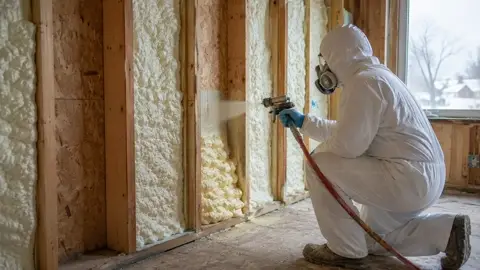
Spray Foam Insulation
Open and closed cell spray foam for attics, walls, and rim joists across Weld County.
Typical: $0.45-$1.50 per board foot installed
-
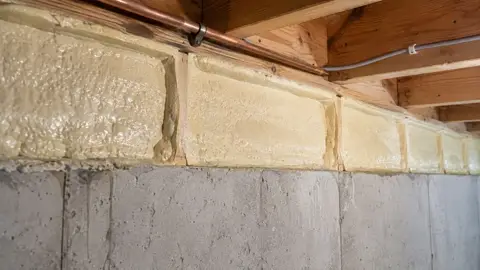
Closed Cell Spray Foam
R-6.5 to R-7 per inch with a built-in vapor barrier, for crawl spaces, rim joists, and metal buildings.
Typical: $1.00-$1.50 per board foot installed
-
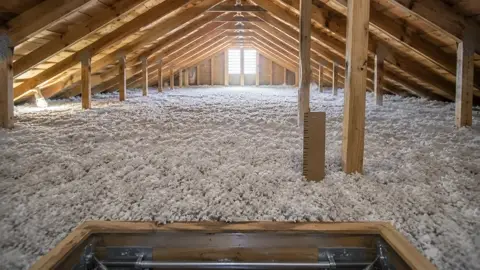
Attic Insulation
Bring older Greeley attics from R-19 up to the R-49 to R-60 Colorado actually needs.
Typical: $1,500-$4,000 typical whole-attic project
-
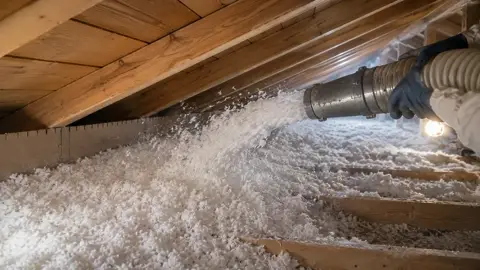
Blown-In Insulation
Cellulose and fiberglass blown-in for attics and walls, the workhorse upgrade for pre-1980 homes.
Typical: $1.00-$2.80 per sq ft installed
-
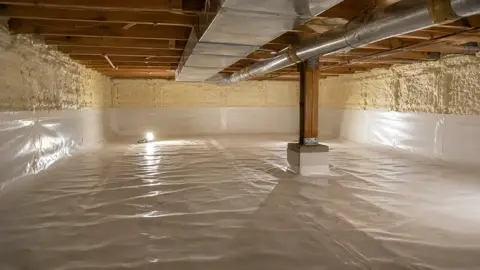
Crawl Space Insulation
Sealed, insulated crawl spaces that stop cold floors and frozen pipes.
Typical: $1,500-$6,000 typical project
-
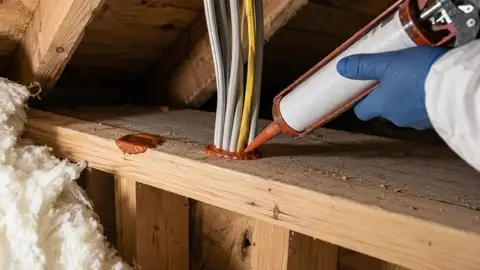
Attic Air Sealing
Close the gaps chinook winds find, the step that makes new insulation actually work.
Typical: $350-$1,500 typical project
-
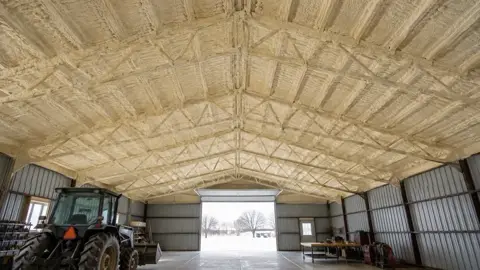
Metal Building Insulation
Spray foam for pole barns, shops, and ag buildings, ending condensation drip for good.
Typical: $1.00-$3.00 per sq ft for closed cell
-
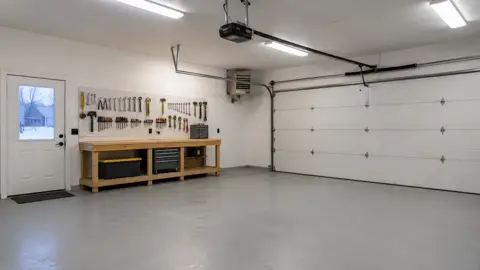
Garage Insulation
Make an attached or detached garage usable in January, and stop it from chilling the rooms above.
Typical: $800-$3,500 typical project
-
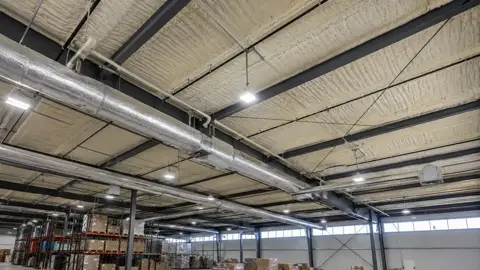
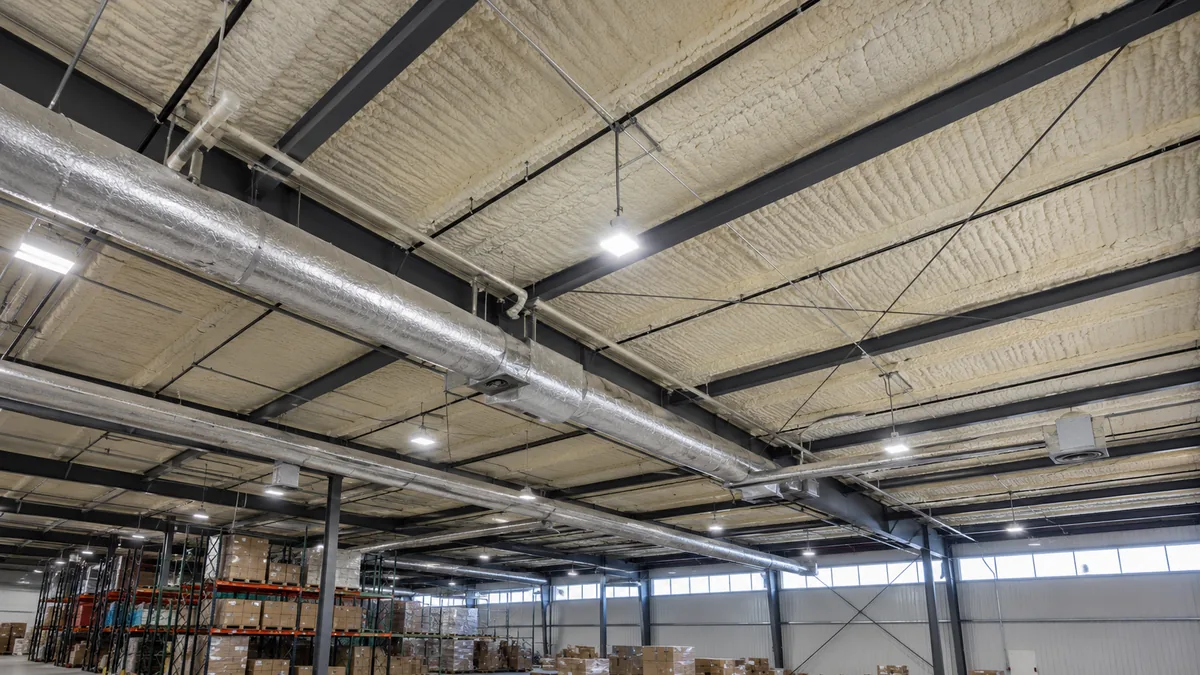
Commercial Insulation
Warehouses, shops, and light-commercial buildings across Greeley and Weld County.
Typical: quoted per project
The Greeley insulation overview lays out how a tear-out, air sealing, and new insulation fit into one visit.
Ready to get it out of there? One call gets you a range. Call (970) 414-2650
Insulation Removal Near Greeley
Greeley is the base, but the service area covers the whole county. Pick the town closest to you for what the job usually looks like there.
- Insulation Removal in Evans Highway 85 corridor
- Windsor insulation contractors newer high-end builds
- insulation removal for Eaton homes and shops Highway 85 farm town
- our Johnstown, CO service page I-25 corridor growth
- insulation removal near Milliken ag-and-commuter town
- what we handle in Severance one of Colorado's fastest-growing small towns
Calls also come in from Kersey, LaSalle, Ault, and Platteville, and the smaller places in between along Highway 85.
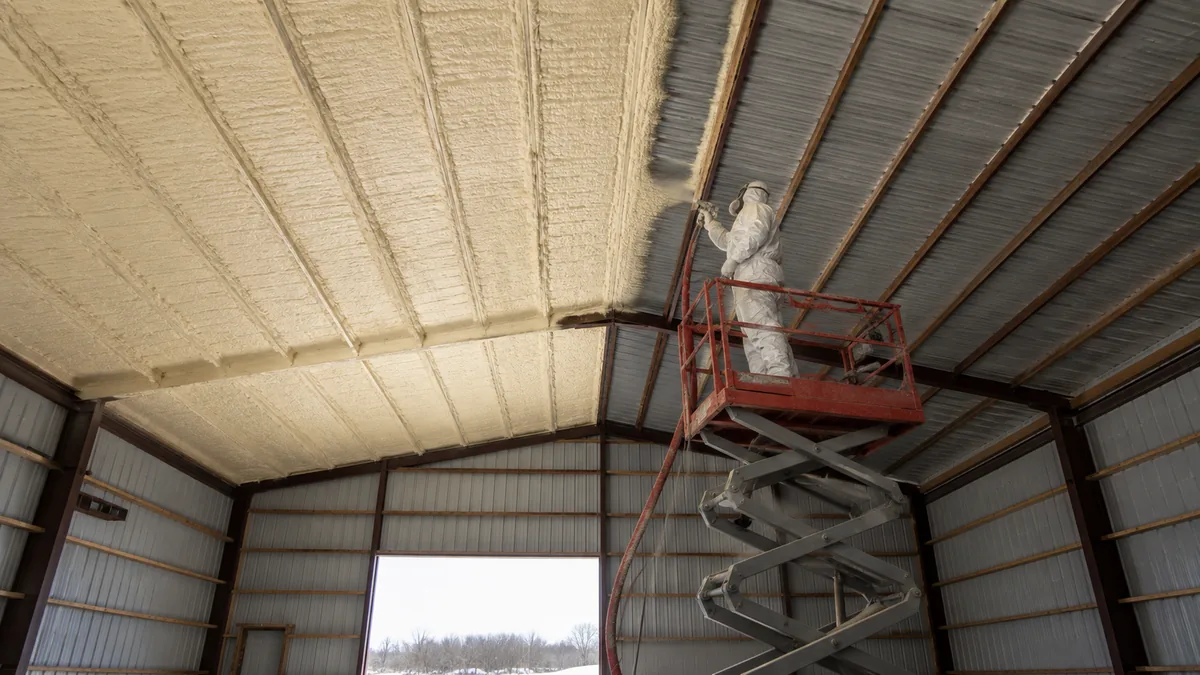
Clear out the old insulation and start over
Tell us the room, the square footage, and what it is doing wrong. You get a straight price range on the phone and a firm quote after we look at it.
Call (970) 414-2650Greeley, Evans, Windsor, Eaton, Johnstown, Milliken, Severance, and Weld County.