Metal Building Insulation for Pole Barns and Shops in Weld County
You walk into the shop on a clear February morning, the sun hits the steel, and it starts raining on the tractor. Metal building insulation is what stops that. This page is for Weld County farmers and shop owners along Highway 85 who want a pole barn that holds heat, stays dry, and does not cook them in July.
What does insulating a metal building involve?
A steel building is a different animal from a house. There is no cavity to fill, no drywall to hide behind, and the structure itself conducts heat straight through the envelope at every purlin and girt.
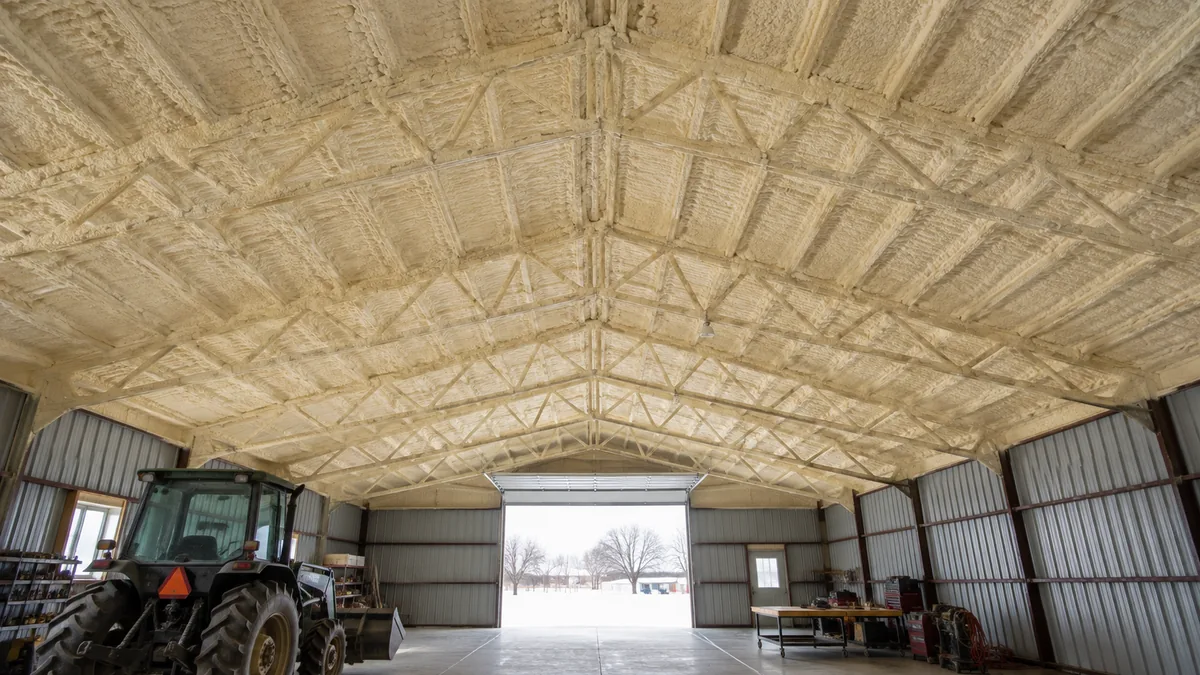
The practical answer is to insulate the panels from the inside, continuously. Closed cell spray foam applied to the underside of the roof deck and the interior face of the walls bonds to the steel and to the wood framing, so there is no gap for air to move behind and no seam for vapor to find.
That continuity is the whole game. Closed cell foam gives R-6.5 to R-7 per inch and becomes its own vapor barrier at two inches, which means one material handles insulation, air sealing, and condensation control at once. In a building with exposed framing, that simplicity is worth a lot.
A complete job usually covers the roof deck, the walls down to the base, the framing members themselves so they cannot act as thermal bridges, and the perimeter where the panels meet the slab. Overhead doors get weatherstripped separately, because a foamed building with a leaking door is still a leaking building.
Have a shop that rains on your equipment? That is fixable. Call (970) 414-2650
What are the signs your metal building needs insulation?
Steel buildings tell on themselves. If you see any of these on your place, the building is asking.
- Water dripping from the roof panels on a cold morning with no rain outside.
- Frost on the inside of the steel, then puddles on the floor by mid-morning.
- Rust streaks running down the inside of panels or spotting on tools and implements.
- Fiberglass blanket sagging off the purlins with the vinyl facing torn.
- A propane or waste oil heater that runs constantly and never gets ahead.
- Interior temperatures over 110 degrees on a July afternoon.
- Stored hay, feed, or chemicals developing moisture problems.
- Birds nesting in the gap behind loose blanket insulation.
The drip is the one that costs money quietly. Condensation on steel is what turns a twenty-year building into a fifteen-year building, and it damages what is parked under it long before the roof itself fails.
Why do Weld County steel buildings sweat?
Physics plus a very specific local climate. Steel has almost no thermal mass and no insulating value, so the panel temperature tracks the outdoor air within minutes. On a clear Weld County night the roof also radiates heat to the sky, which drops the panel below the actual air temperature.
Inside, there is moisture whether you notice it or not. Vehicles bring in snow, livestock breathe, a concrete slab gives off water for years, and unvented propane heaters put water vapor directly into the air. That vapor rises, hits panel steel sitting below the dew point, and condenses.
The daily swing in this part of Colorado is dramatic, which is the practical meaning of a zone 5B climate. Overnight lows below zero followed by a sunny afternoon in the forties is an ordinary January in Weld County, and that swing is exactly the condition that produces the heaviest condensation.
Chinook winds add the last piece. A warm downslope wind can lift the outdoor temperature 30 degrees in an hour, pushing warm moist air into a building whose steel is still cold from the night before. Farm shops along Highway 85 and the section roads north of Eaton catch that wind with nothing in the way.
What are the options for insulating a shop?
Four materials get used on metal buildings around here, and they are not equivalent.
| Option | R-value, unit as noted | Controls condensation | Typical installed cost |
|---|---|---|---|
| Closed cell spray foam | R-6.5 to R-7 per inch | Yes, seals to the steel | $1.00 to $3.00 per sq ft |
| Open cell spray foam | R-3.5 to R-3.7 per inch | No, vapor passes through to the steel | $0.45 to $1.50 per sq ft |
| Vinyl faced fiberglass blanket | R-10 to R-19 for the whole assembly | Only while the facing stays intact | $0.60 to $1.40 per sq ft |
| Rigid board between girts | R-5 to R-6.5 per inch | Only if every seam is taped | $1.20 to $2.50 per sq ft |
| Bubble foil radiant barrier | R-1 to R-3 for the whole assembly | Partial, seams usually fail | $0.35 to $0.80 per sq ft |
If you want the material explained on its own terms first, read what closed cell spray foam is, or compare it against batts in our fiberglass versus foam breakdown.
Vinyl faced blanket is what most pole barns come with from the builder. It works on day one and degrades from there, because the facing is the vapor barrier and the facing is what gets torn by ladders, hay, and birds. Once it is compromised, warm air reaches the steel again.
Bubble foil products get marketed hard for barns and they underdeliver in this climate. They help with radiant heat in summer and do very little for a January night. Treat them as a supplement, not a system.
For anything you heat, closed cell spray foam is the honest recommendation. It is the most expensive per square foot and the only one that solves all three problems at once.
What does metal building insulation cost?
Closed cell metal building insulation runs $1.00 to $3.00 per square foot of surface area depending on depth, which puts most Weld County shops between five and eight thousand dollars.
| Building | Typical range | Notes |
|---|---|---|
| 24 by 30 shop, roof and walls | $3,600 to $5,400 | About 1,800 sq ft of surface at two inches |
| 30 by 40 shop, roof and walls | $5,200 to $7,800 | About 2,600 sq ft of surface at two inches |
| 40 by 60 pole barn, roof and walls | $10,400 to $15,600 | About 5,200 sq ft of surface at two inches |
| Roof deck only, condensation fix | $1.00 to $3.00 per sq ft | One to two inches, the minimum viable job |
| Heated office or tack room inside a barn | $1,500 to $4,000 | Insulate a small box, not the whole shell |
| Overhead door weatherstrip and perimeter seal | $300 to $900 | Cheap, and it holds the rest of the work |
Surface area is the number that matters, and it is bigger than the floor plan. A 30 by 40 building has 1,200 square feet of floor but roughly 2,600 square feet of roof and wall to cover. To model your own numbers, the foam cost calculator works in board feet, and the cost guide explains the math.
What drives the price on a barn or shop
- Ceiling height. A 16 foot sidewall needs lifts and scaffold. A 10 foot shop does not.
- Depth. Two inches stops condensation. Four to five inches makes it genuinely heatable. That doubles material.
- What is inside. An empty building sprays fast. One packed with equipment, hay, and shelving means masking or moving.
- Season. Cold steel needs the building warmed and the rig run hotter, so deep winter work costs more.
- Existing blanket. Old sagging fiberglass has to come down first before foam can bond to the panels.
- Coating requirements. An occupied shop may need an ignition or thermal barrier coating over the foam.
Know your building dimensions? That is enough for a real range. Call (970) 414-2650
Does insulating a shop pay for itself?
On a heated building, usually yes, and faster than people expect. An uninsulated steel shop in Weld County loses heat about as fast as a propane heater can make it, so the fuel bill for holding 55 degrees through a Greeley January is brutal. Cutting that load by two thirds is a normal outcome after foam goes on.
The bigger return is usually equipment. Condensation dripping on a combine, a welder, or a stack of tools does damage that never shows up on a utility statement. Rust on implements and rot in stored hay or feed are real annual costs, and they go to nearly zero once the steel stops sweating.
There is a use-value argument too. An insulated shop is a shop you can work in during February and August instead of two narrow shoulder seasons. For anyone who repairs their own equipment, that is worth more than the fuel savings.
On an unheated building the math changes. If you never put heat in it, you are buying condensation control and summer relief rather than energy savings, so the payback is in protected assets. That is still a legitimate reason to do it, just be clear about which case you are in before you budget.
Price insulation for your pole barn or shop
Tell us the room, the square footage, and what it is doing wrong. You get a straight price range on the phone and a firm quote after we look at it.
Call (970) 414-2650Greeley, Evans, Windsor, Eaton, Johnstown, Milliken, Severance, and Weld County.
What rebates or credits apply to a shop?
This is where farm and shop buildings differ from houses, and it is worth being direct about it.
Xcel Energy business rebates
Xcel Energy serves most of Greeley and the surrounding Weld County towns, and it runs separate residential and business efficiency programs. A working shop or ag building on a commercial meter falls under the business side, which handles insulation and building envelope measures differently from a house.
Program details and amounts change, so check Xcel's current rebate sheet on the Xcel business programs page and ask about pre-approval, since some business rebates require it before work starts.
Where the federal 25C credit stops
The Energy Efficient Home Improvement Credit gives 30% of qualifying insulation material costs, up to $1,200 per year, but it applies to an existing primary residence. A detached shop, a pole barn, or an ag building generally does not qualify, and neither does new construction.
An attached garage on your house is a different conversation. Business property may have other deductions available, which is a question for your accountant rather than an insulation crew. The residential rules are on the IRS page for the Energy Efficient Home Improvement Credit.
What does install day look like on a metal building?
A shop is usually a one to three day job depending on square footage and height. Barns spray faster than houses because there is nothing to mask, provided you empty the building first.
- Empty what you can. Overspray is permanent. Tractors, tools, and anything you care about go outside or get wrapped.
- Old material down. Sagging fiberglass blanket and torn facing get pulled and hauled.
- Surface check. Panels wiped or blown clean, surface temperature and dew point measured. Frost on the steel stops the job.
- Warm the building if needed. Cold steel does not take foam well, so winter jobs often start with temporary heat.
- Spray in lifts. Roof deck first, then walls, in passes of about two inches so the foam cures without trapping heat.
- Framing and perimeter. Purlins, girts, and the base where panels meet the slab get covered so nothing bridges.
- Cure and return. The building airs out through the manufacturer's reoccupancy window, commonly around 24 hours, then equipment goes back in.
If the building is a warehouse or light industrial space rather than a farm shop, the commercial insulation page covers phasing around operations, and an attached garage or home shop follows different code rules again.
Plan the timing around your operation. Late spring and early fall are the easy windows in Weld County, since the steel is workable and you are usually not mid-harvest. Winter work is possible but costs more.
Building a new shop? Foam before you fill it with equipment. Call (970) 414-2650
Pole barn and shop insulation questions
How much does it cost to insulate a 30 by 40 metal building?
A 30 by 40 shop with the roof and walls done in closed cell foam typically runs $5,200 to $7,800 in Weld County. That is about $2.00 to $3.00 per square foot across roughly 2,600 square feet of surface at two inches.
Doing the roof deck alone as a condensation fix is cheaper, usually $1.00 to $3.00 per square foot at one to two inches. These are typical Northern Colorado ranges, not a quote.
Does spray foam stop condensation on a metal roof?
Yes, and it is the most reliable way to stop it. Condensation forms because warm interior air touches steel that is below the dew point. Closed cell foam sprayed directly to the underside of the panel removes the cold surface and blocks vapor at two inches, so there is nowhere for water to form.
Fiberglass blanket only works while its vapor facing is intact, and in a working shop that facing gets torn.
What is the best insulation for a pole barn in Colorado?
Closed cell spray foam for anything you heat or store equipment in. It handles R-value, air sealing, and vapor control in one pass, and it sticks to steel, wood purlins, and the odd geometry a pole barn has.
Fiberglass blanket is a fair budget choice for an unheated barn where you only want to cut radiant heat and drip. Bubble foil alone is not enough for a Weld County winter.
Can you spray foam directly onto metal panels?
Yes. Closed cell bonds tightly to clean, dry steel and to the wood purlins in a post frame building. The panels need to be free of oil, dust, and frost, which is why crews check surface temperature and dew point before starting. Foam sprayed onto a cold, sweating panel will not stick, so winter jobs sometimes need the building warmed first.
What R-value does a Weld County shop need?
For a heated shop, aim for roughly R-19 or better in the walls and R-30 or better overhead, which is about three inches of closed cell on the walls and five on the roof.
For a shop you only take the edge off, two inches everywhere stops condensation and makes a heater practical. Unheated steel in a zone 5B climate swings from below zero to blazing, sometimes in the same day.
Will insulating my shop keep it cooler in summer?
Substantially. An uninsulated steel building in a Weld County July acts like an oven because the sun heats the panels and they radiate straight down onto you.
Insulation on the roof deck cuts that radiant load, and a foamed shop typically stays far closer to the overnight low through the afternoon. It is the same work that fixes winter, which is what makes the payback reasonable.
Other insulation services in Greeley
Same crews, same county. Here is everything else that gets insulated around Greeley and Weld County, with typical ranges attached.
-
Spray Foam Insulation
Open and closed cell spray foam for attics, walls, and rim joists across Weld County.
Typical: $0.45-$1.50 per board foot installed
-
Closed Cell Spray Foam
R-6.5 to R-7 per inch with a built-in vapor barrier, for crawl spaces, rim joists, and metal buildings.
Typical: $1.00-$1.50 per board foot installed
-
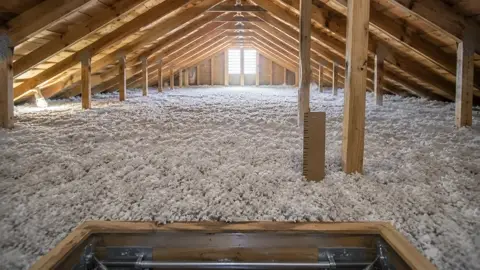
Attic Insulation
Bring older Greeley attics from R-19 up to the R-49 to R-60 Colorado actually needs.
Typical: $1,500-$4,000 typical whole-attic project
-
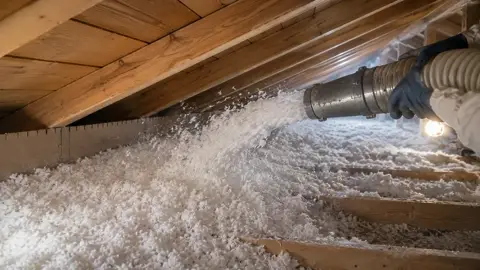
Blown-In Insulation
Cellulose and fiberglass blown-in for attics and walls, the workhorse upgrade for pre-1980 homes.
Typical: $1.00-$2.80 per sq ft installed
-
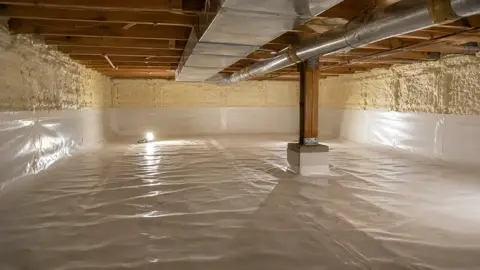
Crawl Space Insulation
Sealed, insulated crawl spaces that stop cold floors and frozen pipes.
Typical: $1,500-$6,000 typical project
-
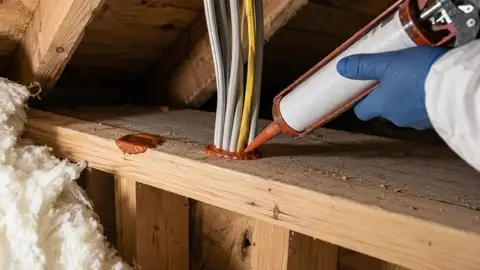
Attic Air Sealing
Close the gaps chinook winds find, the step that makes new insulation actually work.
Typical: $350-$1,500 typical project
-
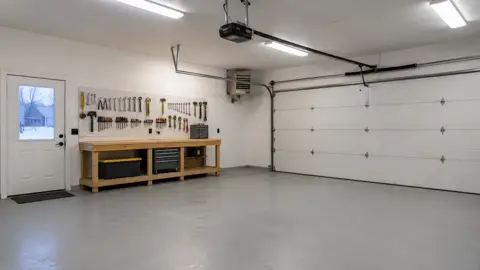
Garage Insulation
Make an attached or detached garage usable in January, and stop it from chilling the rooms above.
Typical: $800-$3,500 typical project
-
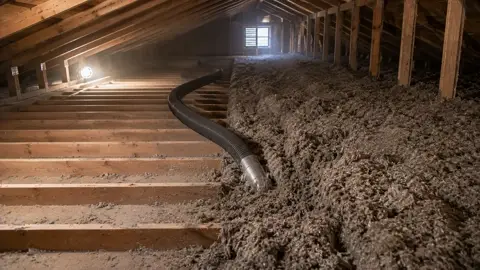
Insulation Removal
Safe removal of old, damaged, or pest-contaminated insulation before an upgrade.
Typical: $1.00-$2.00 per sq ft removed
-
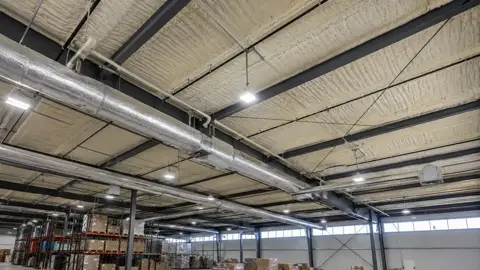
Commercial Insulation
Warehouses, shops, and light-commercial buildings across Greeley and Weld County.
Typical: quoted per project
Doing the house and the shop together often saves a trip charge. Start at the Greeley insulation overview to see how they combine.
Ready for numbers? Have your building dimensions and height handy. Call (970) 414-2650
Metal Building Insulation Near Greeley
Greeley is the base, but the service area covers the whole county. Pick the town closest to you for what the job usually looks like there.
- Metal Building Insulation in Evans Highway 85 corridor
- Windsor insulation contractors newer high-end builds
- metal building insulation for Eaton homes and shops Highway 85 farm town
- our Johnstown, CO service page I-25 corridor growth
- metal building insulation near Milliken ag-and-commuter town
- what we handle in Severance one of Colorado's fastest-growing small towns
Calls also come in from Kersey, LaSalle, Ault, and Platteville, and the smaller places in between along Highway 85.
Get your Weld County shop insulated right
Tell us the room, the square footage, and what it is doing wrong. You get a straight price range on the phone and a firm quote after we look at it.
Call (970) 414-2650Greeley, Evans, Windsor, Eaton, Johnstown, Milliken, Severance, and Weld County.