Spray Foam Insulation in Greeley, CO and Across Weld County
A house built in Greeley before 1980 often has less insulation in its walls than a cooler has in its lid. Spray foam insulation in Greeley, CO fixes that, expanding into every gap and sealing air leaks at once. It is for Weld County homeowners, landlords, and shop owners who want warmer floors, lower bills, and honest pricing.
What does spray foam insulation actually do?
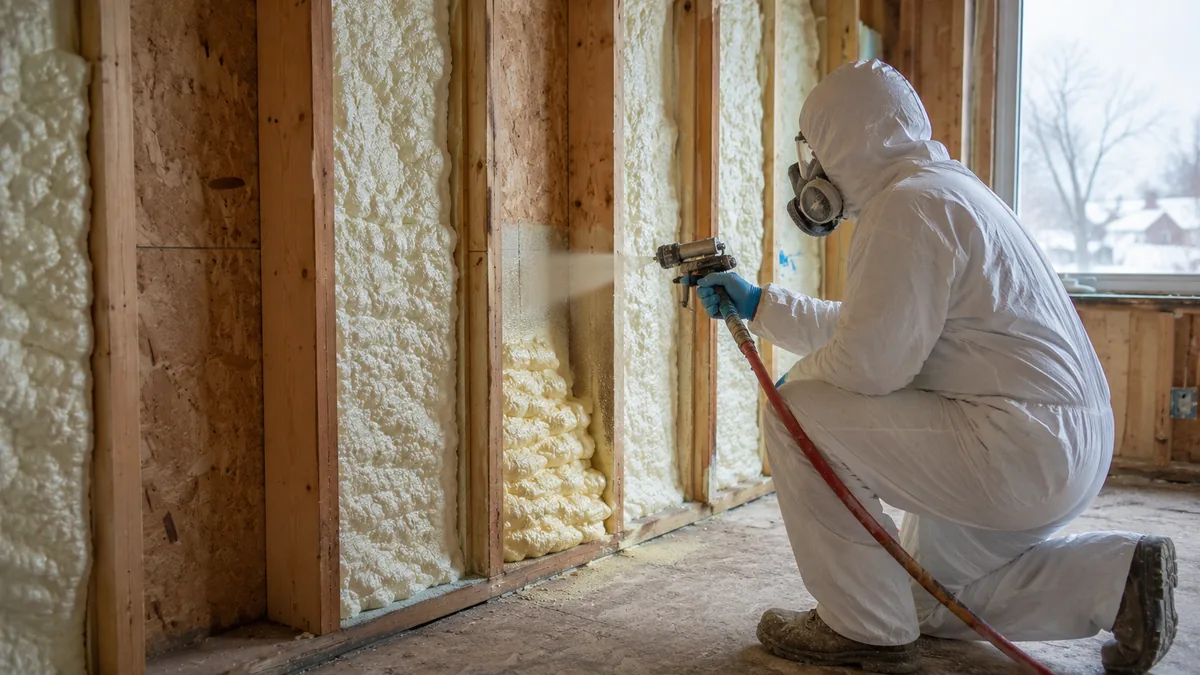
Spray foam arrives as two liquids in separate drums. They meet in a heated hose, hit the surface, and expand in seconds into a solid plastic that grips whatever it touched. That expansion is the whole point: the foam fills the odd shapes fiberglass has to be cut around.
There are two products under one name. Open cell foam runs R-3.5 to R-3.7 per inch, stays soft and spongy, and is the cheaper of the two. Closed cell foam runs R-6.5 to R-7 per inch, cures rigid, and stops water vapor once it is two inches thick or more.
There is a dedicated page on closed cell if that is the one you are weighing.
The second job matters as much as the R-value. Foam is an air barrier, not just an insulator. A wall stuffed with batts can still pass air through every seam and outlet box, which is why a well insulated house can still feel drafty in a January wind.
Where it goes depends on the house. Attic roof decks, kneewalls, rim joists, band boards, cathedral ceilings, crawl space walls, and the odd corner over a bump-out are all common. Open framing in a remodel is the easiest and cheapest time to do it.
Not sure whether your house needs open cell or closed cell? Call (970) 414-2650
What are the signs a Greeley house needs foam?
Most people call because of something they can feel, not something they measured. The list below is what shows up most often on a walkthrough in this town.
- Rooms over the garage or on the north side that never keep up with the thermostat.
- Cold air pouring across the floor near exterior walls on a windy night.
- A furnace that short cycles all afternoon then runs nonstop after dark.
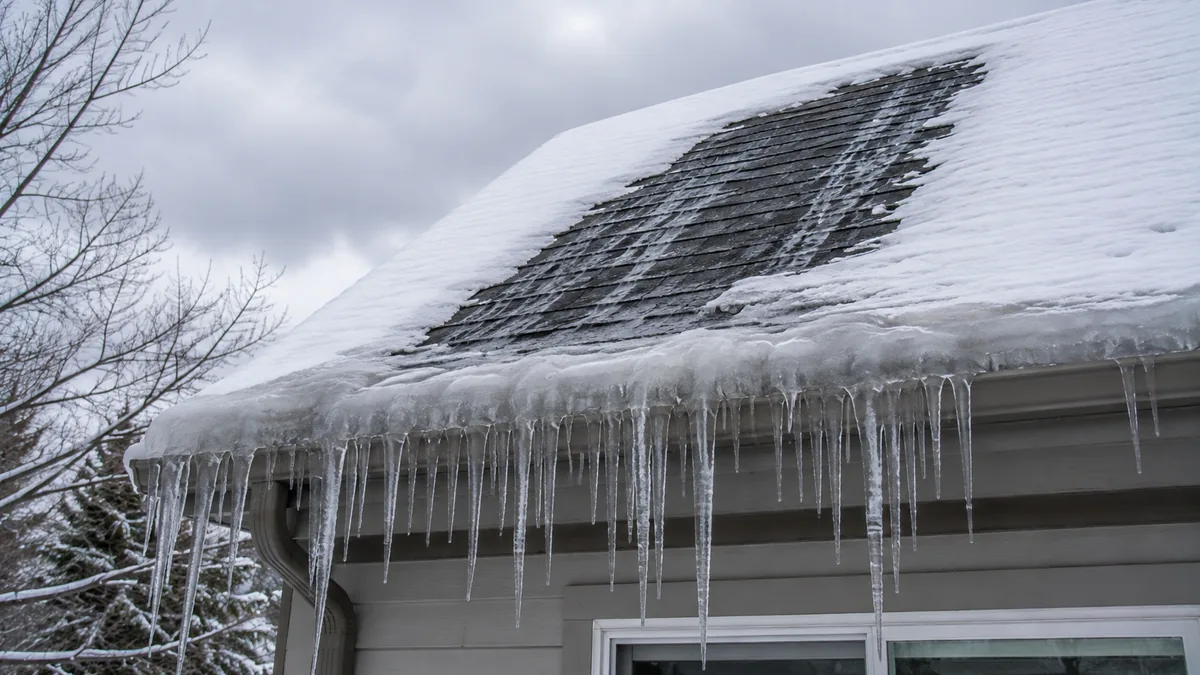
- Ice building along the roof edge while the middle of the roof is bare.
- Frost or wet spots on the rim joist in the basement in February.
- Utility bills that jumped without a rate change or a new appliance.
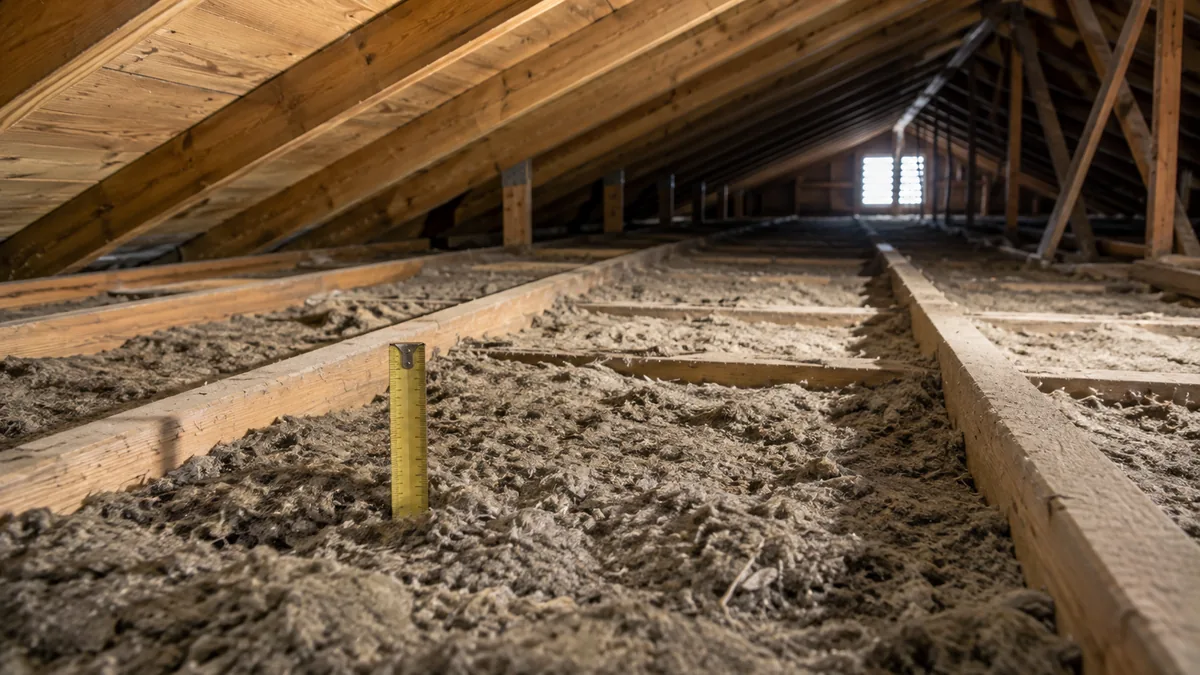
- An attic where you can see the tops of the ceiling joists through the insulation.
Any one of those is worth a look. Three or more usually means the building envelope is leaking air, and adding depth to the attic alone will not fix it. In that case sealing the attic bypasses first is the move that makes everything else work.
Why do Greeley houses lose so much heat?
Real winter and a hot dry summer land on the same building here, which is what a zone 5B climate means in practice. The swing is the problem. Materials move, seals open, and a house that felt fine in October starts whistling in December.
Then there is the wind. Chinook events come down off the Front Range and push warm, fast air across the plains, and a 60 mph gust does not politely stop at your siding. It pressurizes the windward side of the house and pulls conditioned air out the leeward side. Insulation that does nothing about air movement gets bypassed entirely.
Housing age is the third factor. Union Colony-era homes near downtown and UNC were built long before anyone thought about air sealing, and many of the 1960s and 1970s neighborhoods along Highway 34 got R-11 walls and a thin attic.
Newer builds out toward Promontory and west Greeley are tighter, but they often have vaulted ceilings and bonus rooms that were shortcut during framing.
Ice dams tie it together. Warm air leaking into the attic melts the snow on the roof deck, the water runs down to the cold overhang, and it refreezes into a ridge that backs melt water up under the shingles. That is an air leak problem wearing a roof problem costume.
How much does spray foam insulation in Greeley, CO cost?
Foam is priced by the board foot, which is one square foot covered one inch deep. That is why nobody can quote you off a photo: a 1,000 square foot attic at three inches and the same attic at six inches are two very different jobs.
| Application | Typical installed range | Notes |
|---|---|---|
| Open cell foam, per board foot | $0.45 to $0.75 | Attic roof decks, interior walls, sound control |
| Closed cell foam, per board foot | $1.00 to $1.50 | Rim joists, crawl spaces, metal buildings |
| Open cell on walls or attic floor | $1.50 to $4.50 per sq ft | Depends on how many inches go on |
| Closed cell on walls or attic deck | $2.00 to $4.50 per sq ft | Two inches gets you the vapor barrier |
For a whole-house picture, insulating the rim joist band on an average Greeley basement usually runs $800 to $2,000. A garage ceiling or a bonus room over the garage tends to land between $1,200 and $3,000. A full attic roof deck on a mid-size ranch can reach $6,000 to $9,000 once you get to a code-legal depth.
If you want to sanity check a quote before you sign it, run the numbers through our spray foam cost calculator or read the longer Greeley spray foam cost breakdown, which walks through a 2,000 square foot house line by line.
What moves the price up or down
- Foam type. Closed cell costs roughly twice open cell per inch, and it is the single biggest lever on the bill.
- Depth. R-value is per inch, so the target R-value sets the inches and the inches set the cost.
- Access. A 30 inch attic hatch, a low-slope roof, or a crawl space you belly-crawl through all add labor hours.
- Removal. Old material in the same cavity has to come out at $1.00 to $2.00 per square foot before foam goes in.
- Prep and masking. Finished space next to the work area means plastic, tape, and time.
- Job size. Mobilizing a rig for 300 square feet costs nearly what it costs for 1,200, so small jobs price higher per foot.
One thing that should never move the price: a scare tactic. If a quote leans on mold warnings or a one-day-only discount instead of square footage and inches, get a second number.
Want a real range for your square footage before you shop quotes? Call (970) 414-2650
Spray foam or blown-in: how do you decide?
This is the fork in the road for most Greeley homeowners, and the honest answer is that foam is not automatically the better buy. It is the better buy for specific jobs.
Choose foam when the assembly needs to be airtight or when there is no flat surface to hold loose material. Roof decks, kneewalls, rim joists, cathedral ceilings, crawl space walls, and metal buildings all fall in that column.
Foam also wins when ducts or an air handler sit in the attic, because bringing that space inside the envelope stops you from heating the outdoors through leaky ductwork.
Choose blown-in cellulose or fiberglass when you have an open attic floor and the goal is simply depth. Getting a Greeley attic from R-19 to R-60 with blown-in usually costs $1,500 to $4,000, while foaming the same roof deck can be triple that. Spend the difference on air sealing and you will feel more of it.
Our fiberglass versus spray foam comparison lays the two side by side.
A common middle path works well here: seal the attic penetrations, spray closed cell on the rim joist where the biggest leaks live, and blow cellulose across the attic floor. You get the air barrier where it matters and the depth where it is cheap.
How much will spray foam save on a Greeley utility bill?
The ENERGY STAR estimate for sealing and insulating an average home is roughly 15% off heating and cooling costs, which is about 11% of a total energy bill. That is a national average across all upgrade types, and it is a reasonable starting point rather than a promise.
In practice the savings track how bad the starting point was. A 1968 ranch off Highway 34 with R-11 walls, an uninsulated rim joist, and eight inches of settled fiberglass in the attic has far more upside than a 2015 build in west Greeley. Houses with the worst January bills usually see the biggest change.
Payback for a targeted foam job, meaning rim joists and problem assemblies rather than the whole house, commonly lands in the five to ten year range once rebates and the tax credit come off. A full attic roof deck takes longer on money alone, so people usually do it for comfort, duct performance, or ice dams rather than the spreadsheet.
There is also a benefit that never shows on a bill. A sealed house holds temperature through a power outage far longer than a leaky one, which matters in a place where a spring blizzard can drop lines for a day.
Get a foam number that matches your actual square footage
Tell us the room, the square footage, and what it is doing wrong. You get a straight price range on the phone and a firm quote after we look at it.
Call (970) 414-2650Greeley, Evans, Windsor, Eaton, Johnstown, Milliken, Severance, and Weld County.
What rebates and tax credits apply to spray foam?
Insulation is one of the few home upgrades with both a utility rebate and a federal tax credit available at the same time. Neither one is automatic, so it is worth knowing what to keep.
Xcel Energy rebates for Greeley customers
Most of Greeley and the surrounding Weld County towns are Xcel Energy territory. Xcel runs rebates for insulation and air sealing work on Colorado homes, typically paid after the work is documented and submitted.
Amounts and eligible measures change, so check Xcel's current rebate sheet on the Xcel Energy residential rebates page before you assume a number. Ask for an itemized invoice showing R-values and square footage, since that is what the paperwork wants.
The federal 25C tax credit
The Energy Efficient Home Improvement Credit, known as 25C, covers 30% of the cost of qualifying insulation and air sealing materials, up to $1,200 per year. It applies to your existing primary home, not new construction or rentals, and it covers materials rather than labor.
Because the cap resets annually, splitting a large project across two tax years is a legitimate strategy. Our 2026 insulation tax credit article covers what to keep on file, and the rules live on the IRS page for the Energy Efficient Home Improvement Credit.
What happens on install day?
A foam job is louder and more disruptive than blown-in, and it helps to know the shape of the day before it starts.
- Walkthrough and measure. Depth targets confirmed, access route agreed, pets and vehicles moved.
- Prep. Plastic over openings, floors covered, anything near the spray zone masked or removed.
- Removal, if needed. Old batts or loose fill bagged out of the cavities being foamed.
- Spray. The rig runs off the truck. Foam goes on in lifts, usually two inches at a time, so it cures without trapping heat.
- Trim and inspect. Overspray shaved flush, depth spot checked, thermal barrier requirements noted for living space.
- Cure and vent. The house stays empty for the reoccupancy window the manufacturer specifies, commonly 24 hours for a large job.
- Cleanup and paperwork. Debris hauled, invoice itemized with R-values so it works for rebate and tax filing.
Plan to be out of the house during spraying and through the cure window. Crack windows on the far side of the building if the weather allows. And if a room was already stuffy before the work, ask about ventilation, because a tighter house needs a plan for fresh air.
Have a remodel with the framing still open? That is the cheapest time to foam. Call (970) 414-2650
Spray foam questions Greeley homeowners ask
How much does spray foam insulation cost in Greeley, CO?
Open cell runs about $0.45 to $0.75 per board foot installed and closed cell about $1.00 to $1.50 per board foot, which is typical for Northern Colorado.
A board foot is one square foot at one inch thick, so the inches you need drive the number more than anything else. Most single-family foam jobs in town land somewhere between $2,000 and $9,000.
Why is spray foam insulation sometimes called a red flag?
Because a bad install is expensive to fix. Foam sprayed off ratio can stay soft, smell for weeks, or pull away from the framing, and it cannot be vacuumed out the way blown-in can.
Foam over a leaking roof deck also hides the leak until the sheathing rots. The fix is not avoiding foam, it is checking that the roof is dry first, that the installer measures depth, and that the house gets ventilation once it is sealed tight. We take the question apart in full in why spray foam gets called a red flag.
Is spray foam better than blown-in insulation for my attic?
Not always. If your attic floor is open and the ceiling below is intact, blown-in gets you to R-49 or R-60 for far less money.
Foam wins when you want the attic inside the heated envelope, when ductwork or a furnace lives up there, or when the framing is too irregular to hold loose fill. Plenty of Greeley houses get the best result from air sealing plus blown-in, not foam.
Does spray foam need a vapor barrier in Colorado?
Closed cell at two inches or more is its own vapor retarder, so no separate barrier is needed. Open cell is vapor permeable and may need a coating or a smart membrane depending on where it goes.
In climate zone 5B this matters most on roof decks and below-grade walls, and it is a question to settle before the truck shows up, not after.
How long does spray foam insulation last?
Both foams are meant to last the life of the building. They do not settle, sag, or lose loft the way batts and loose fill can. What shortens that life is water, rodents chewing paths through open cell, and UV exposure on anything left uncoated. Keep it dry and covered and it outlives the roof over it.
Can you spray foam over existing insulation?
Usually not, and that is the honest answer. Foam has to bond to a clean substrate, so old batts or blown-in in the same cavity come out first.
That is why an insulation removal line often appears on a foam quote, at roughly $1.00 to $2.00 per square foot. Rim joists and open framing are the exception since there is usually nothing there to remove.
Other insulation services in Greeley
Foam is one tool. Here is the rest of what gets done on Weld County homes and buildings, with typical ranges so you can compare before you call.
-
Closed Cell Spray Foam
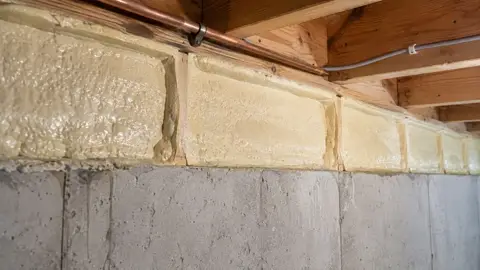
R-6.5 to R-7 per inch with a built-in vapor barrier, for crawl spaces, rim joists, and metal buildings.
Typical: $1.00-$1.50 per board foot installed
-
Attic Insulation
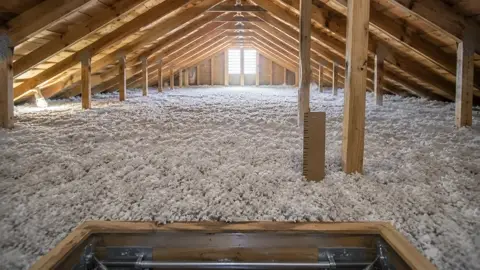
Bring older Greeley attics from R-19 up to the R-49 to R-60 Colorado actually needs.
Typical: $1,500-$4,000 typical whole-attic project
-
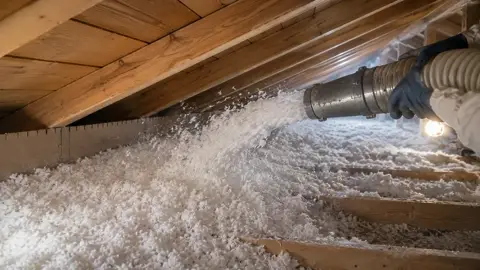
Blown-In Insulation
Cellulose and fiberglass blown-in for attics and walls, the workhorse upgrade for pre-1980 homes.
Typical: $1.00-$2.80 per sq ft installed
-
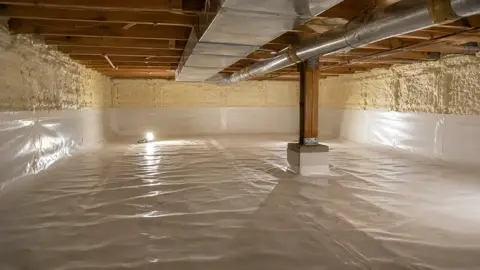
Crawl Space Insulation
Sealed, insulated crawl spaces that stop cold floors and frozen pipes.
Typical: $1,500-$6,000 typical project
-
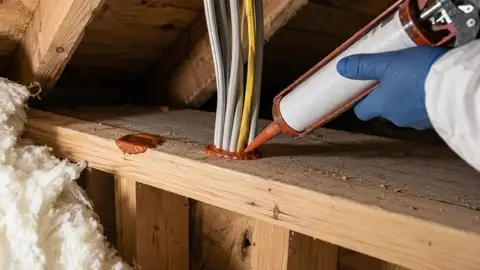
Attic Air Sealing
Close the gaps chinook winds find, the step that makes new insulation actually work.
Typical: $350-$1,500 typical project
-
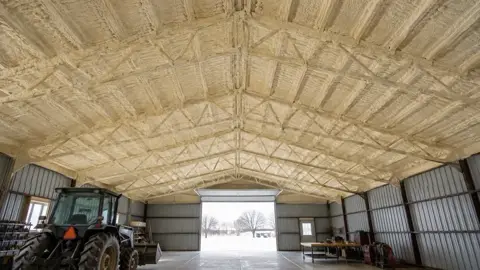
Metal Building Insulation
Spray foam for pole barns, shops, and ag buildings, ending condensation drip for good.
Typical: $1.00-$3.00 per sq ft for closed cell
-
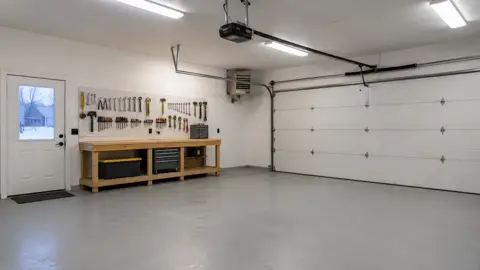
Garage Insulation
Make an attached or detached garage usable in January, and stop it from chilling the rooms above.
Typical: $800-$3,500 typical project
-
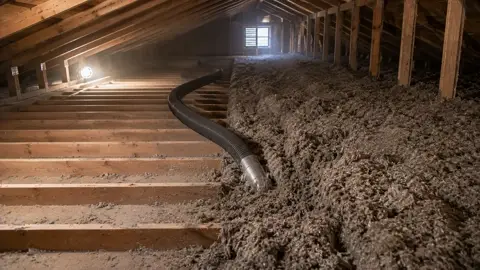
Insulation Removal
Safe removal of old, damaged, or pest-contaminated insulation before an upgrade.
Typical: $1.00-$2.00 per sq ft removed
-
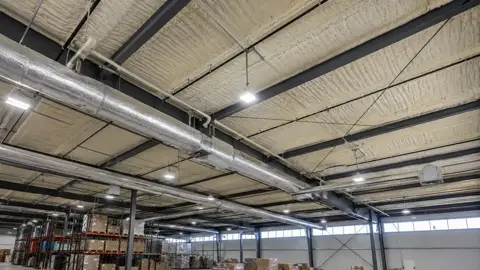
Commercial Insulation
Warehouses, shops, and light-commercial buildings across Greeley and Weld County.
Typical: quoted per project
Not sure where to start? The insulation contractor overview for Greeley lays out how the services stack together on a typical house.
Ready to price it out? Tell us the room and the square footage. Call (970) 414-2650
Spray Foam Insulation Near Greeley
Greeley is the base, but the service area covers the whole county. Pick the town closest to you for what the job usually looks like there.
- Spray Foam Insulation in Evans Highway 85 corridor
- Windsor insulation contractors newer high-end builds
- spray foam insulation for Eaton homes and shops Highway 85 farm town
- our Johnstown, CO service page I-25 corridor growth
- spray foam insulation near Milliken ag-and-commuter town
- what we handle in Severance one of Colorado's fastest-growing small towns
Calls also come in from Kersey, LaSalle, Ault, and Platteville, and the smaller places in between along Highway 85.
Talk to someone about spray foam in Greeley
Tell us the room, the square footage, and what it is doing wrong. You get a straight price range on the phone and a firm quote after we look at it.
Call (970) 414-2650Greeley, Evans, Windsor, Eaton, Johnstown, Milliken, Severance, and Weld County.